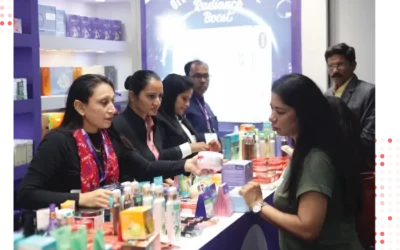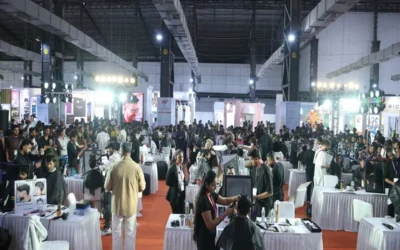
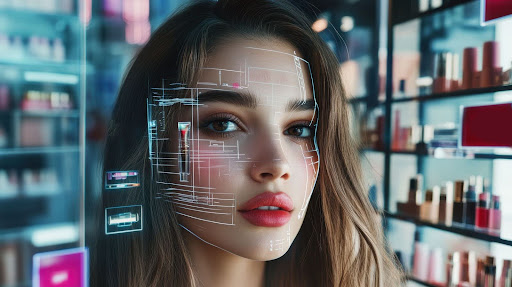
The beauty industry is undergoing a radical change, much faster than it did before. The changes that mainly followed trends and the formulation of products are now being influenced by technology, science, and data. This change was obvious at the recent beauty products expo. No matter if it was the smartest skincare devices or the most eco-friendly methods of producing the products, the underlying message of every innovation was that technology is at the center of the modern cosmetics industry. As professionals whose work revolves around beauty brands and manufacturers, this change is not only visible to us, but we also play a significant role in facilitating this change.
The consumers of today want more than just good-looking packaging and nice-smelling products. They demand transparency, personalization, product safety, and scientific proof of product efficiency. The innovations presented at the expo send a strong signal that the future of beauty lies in the right mix of technology, research, and responsible production.
How Technology Is Redefining Beauty at Every Level
The new cosmetic innovations no longer revolve around just new colors or limited collections. In fact, this concept is now extended to include advanced research, smart gadgets, digital solutions, and eco-friendly methods. The implementation of technology is done in every phase of product development, right from brainstorming and formulation up to manufacturing, testing, and customer engagement.
To help predict potential consumer needs, brands are employing artificial intelligence, whereas data analytics is used for enhancing product effectiveness based on customer feedback. In the present production, there is a heavy dependence on machinery to cater to precision and cleanliness. To add on this, we are already witnessing the beginning of intelligent packaging through QR codes, traceability systems, and carbon-neutral alternatives.
These modifications are primarily aimed at putting more emphasis on achieving quantifiable outcomes without infringing upon safety or eco-friendliness requirements.
Smart Skincare and Diagnostic Technology
One of the most appealing areas of the exhibition was devoted to smart skincare. Technologies that were once only available in dermatology clinics are now within the reach of consumers at home. With the help of these instruments, we are promised precise skin examination and personalized treatment to a never-before extent.
Some of the innovations highlighted were:
- Digital skin scanners that assess hydration, pigmentation, and texture
- AI-driven mobile apps for skin tracking and routine optimization
- LED therapy tools designed for at-home use
- Smart cleansing and exfoliation devices that adjust intensity automatically
By giving people the power to know their skin more thoroughly, they become more efficient in using the chosen skincare products. From a perspective of manufacturing and formulation, this also signifies that now the products have to deliver their performance based on exact data rather than on broad skin type categories.
Personalized Beauty Takes Center Stage
Personalization was far from being a mere concept or an idea that the exhibitors wanted to promote. It was already deeply embedded in the industry. Simply put, personalization is rapidly turning into the standard practice of cosmetics.
Instead of one-size-fits-all solutions, brands are now formulating based on:
- Individual skin profiles
- Environmental exposure
- Lifestyle habits
- Age-specific requirements
The transition to this stage of development necessitates quick R&D cycles, production lines that can be easily changed, and accurate quality control. Personalization was very evident at the trade fair, not only as a notion but more so as a new norm.
Sustainable Innovation as a Core Business Strategy
At present, sustainability is not only a topic that is dealt with in panels or discussed in side sessions. It is the mainstay of the beauty ecosystem worldwide. From the ethical harvest of raw materials to completely recyclable packaging, the industry is meticulously assessing every step taken for its environmental impact.
Important sustainability-focused developments included:
- Waterless beauty formulations
- Refillable containers and reusable packaging
- Plant-based and biodegradable ingredients
- Energy-efficient manufacturing processes
What was most impressive was the strong linkage between performance and sustainability. Eco-friendly beauty products are no longer marketed as “less potent but gentler”. Rather, the innovation in green chemistry is gradually eliminating the gap between product efficacy and environmental friendliness.
Advanced Manufacturing and Quality Control
Manufacturing accuracy and rigorous adherence to rules are the two main features of the complex network lying behind every successful cosmetic product.
Automation, robotics, and digital monitoring systems are helping manufacturers maintain:
- Uniform product quality
- Enhanced safety standards
- Faster production timelines
- Reduced human error
The beauty products expo was an excellent medium that helped the technological shift to be seen not only as a future but also as a reality. The industry is therefore positioning itself as the most compliant to regulations and the most responsive to consumer expectations simultaneously, as the live demos of automated filling lines, AI-driven batch testing, and digital compliance systems suggest.
Science-Backed Formulations and Clean Labeling
Today’s consumers are extremely educated. They pay close attention to ingredient labels, safety data, and demand transparency. This has compelled brands to make formulations that are not only innovative but also scientifically validated.
Emerging formulation trends include:
- Microbiome-friendly skincare
- Encapsulated actives for controlled release
- Peptides and biotech-derived ingredients
- Dermatologically tested clean formulations
Also, the compliance and regulation aspects of product labels have become just as important as the creativity of the product. Nowadays, digital compliance instruments and the latest testing techniques are inseparable parts of the beauty industry.
Digital Transformation Beyond Products
The use of technology in the cosmetic industry is limited to neither the production of the products nor the gadgets. Besides, the role of technology is significant in the relationship-building process between brands and customers. The utilization of digital outlets, virtual try-ons, and immersive brand experiences is one of the trendy tactics that businesses employ to get the public’s attention.
At the expo, digital beauty solutions included:
- Augmented reality mirrors for makeup testing
- Virtual product trials via mobile applications
- AI-powered beauty advisors
- Data-driven consumer behavior tracking
This digital layer is a great tool for companies to bring more convenience to their clients and, at the same time, gather useful feedback for the improvement of upcoming products.
The Growing Importance of Technical Partnerships
The increasing complexity of cosmetics has led to a significant rise in the need for technical expertise, regulatory guidance, and manufacturing support. No single brand can survive on its own anymore.
Today’s cosmetic businesses require:
- Reliable formulation development support
- Regulatory compliance assistance
- Scalable manufacturing solutions
- Documentation and quality system management
This has resulted in the emergence of a new class of partners whose role it is to bridge the gap between innovation and implementation. The discussions featured at the expo on the effects of the collaboration between technology providers, formulators, and manufacturers in speeding up the industry-wide innovation that followed were very enlightening.
Where the Industry Is Headed Next
Looking ahead, the future of cosmetics will be shaped by:
- Deeper integration of artificial intelligence
- Wider adoption of sustainable manufacturing models
- Growth of personalized and on-demand beauty solutions
- Stronger regulatory harmonization across global markets
The rate at which changes are made is far from being slow. Those brands that will put their money into technology, transparency, and research-driven innovation will be the ones to cope with the changes in consumer behavior and the regulatory landscapes better.
What is truly the most exciting point is that the beauty industry is no longer solely focused on the enhancement of the outer beauty. It is becoming a science-driven sector that integrates wellness, dermatology, technology, and environmental responsibility in one cohesive ecosystem.
A Closing Perspective on What Truly Matters
The upcoming changes in the beauty industry will not be the result of one invention or trend. The major factors that will determine the future are technology, research, sustainability, and consumer trust coming together.
As we see in the beauty products expo, today’s innovations are goal-oriented – they endeavor to upgrade product performance, amplify user safety, and lessen environmental impact concurrently.
As the transition is underway, it is crucial for the industry participants to be in tune with mounting standards in cosmetic contract manufacturing, private label cosmetics, cosmetic product development, and cosmetic regulatory compliance if they want to stay relevant in a highly competitive global market. With its profound technical knowledge, approach that is driven by regulations, and innovation-first mentality, HBS India is the most suitable choice for brands that want to navigate this fast-changing beauty landscape with assurance.