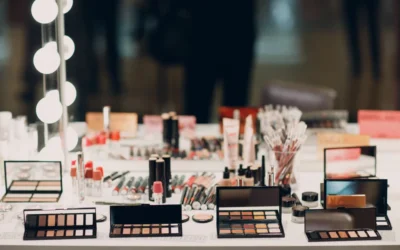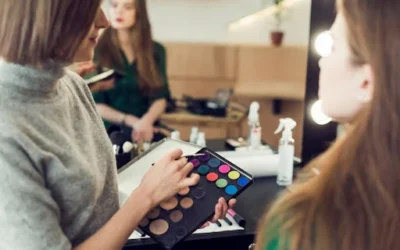
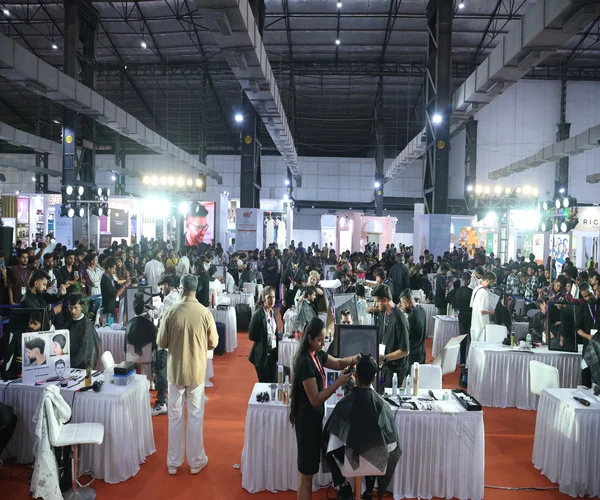
Recent beauty salon expos made one thing very clear. The purpose of these events is changing rapidly.
Across exhibition floors, professionals were no longer attending only to exchange contacts, explore products, or discuss distribution opportunities. Instead, much of the attention throughout the events shifted towards education-focused sessions, technical demonstrations, artist-led workshops, and business learning discussions. The transformation was visible across almost every part of the expo environment.
What once functioned mainly as commercial networking spaces are now evolving into industry learning ecosystems where salon professionals, artists, educators, and beauty businesses gather to understand where the industry is heading next.
Learning Became One of the Biggest Attractions
One of the strongest observations throughout the expos was how seriously professionals now approach skill development.
The beauty industry has become far more competitive, visually driven, and trend-sensitive than before. Because of this, many attendees were actively looking for knowledge that could help them stay updated inside a rapidly changing market.
Educational sessions throughout the events focused heavily on:
- Advanced colouring techniques
- Hair texture management
- Client retention strategies
- Social media branding
- Service pricing models
- Skin preparation methods
For younger professionals especially, the expos functioned almost like live learning environments where they could observe how experienced artists, educators, and business owners operate in real industry situations.
Social Media Changed the Expectations Around Beauty Events
Another major trend visible during the expos was the growing influence of digital culture on the beauty industry.
Professionals repeatedly discussed how quickly beauty trends now spread through:
- Instagram reels
- Creator content
- Short-form tutorials
- Influencer campaigns
- Viral transformation videos
This rapid trend cycle has created pressure on salons and beauty professionals to adapt much faster than before.
As a result, attendees were increasingly focused on learning:
- Camera-friendly techniques
- Presentation skills
- Client engagement methods
- Digital branding strategies
- Trend forecasting
The audience itself also appeared more diverse compared to traditional industry events.
Recent expos included:
- Independent artists
- Salon founders
- Beauty educators
- Cosmetic startups
- Influencers
- Wellness businesses
That diversity significantly changed the type of conversations happening throughout the venue.
Networking Became More Collaboration-Focused
Networking remained an important part of the expos, but the nature of networking clearly evolved.
Earlier, networking mostly revolved around exchanging business cards and discussing product distribution. During recent events, professionals seemed far more interested in collaborative opportunities instead.
Conversations increasingly focused on:
- Artist collaborations
- Educational partnerships
- Event participation
- Brand visibility
- Content creation support
- Creative projects
Several attendees highlighted how casual expo interactions often develop into long-term workshops, campaigns, or business relationships later on. This reinforced why physical beauty events still remain important even in a highly digital industry.
Brands Shifted Towards Experience-Based Engagement
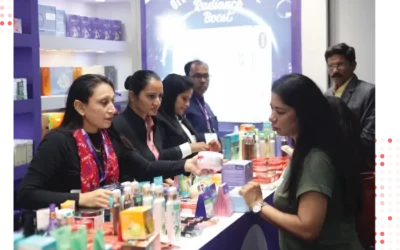
Another noticeable change throughout the expos was how brands approached audience engagement.
Instead of relying mainly on static product displays, many businesses focused heavily on creating interactive experiences through:
- Stage demonstrations
- Product testing zones
- Educational discussions
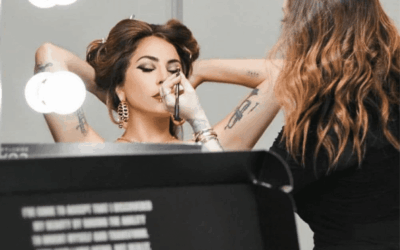
- Live transformations
- Technical problem-solving sessions
This approach appeared far more effective because audiences wanted to see products used in practical conditions rather than simply hearing promotional claims. Visitors consistently spent more time around demonstrations and educational spaces where visible interaction was happening.
Final Thoughts
Recent beauty salon expos revealed a larger industry shift that goes far beyond networking alone. The beauty sector is becoming increasingly knowledge-driven, experience-focused, and community-oriented. Professionals today are attending events not only to discover products, but also to strengthen skills, understand market direction, build collaborations, and stay relevant in a fast-moving industry.
As expos continue evolving, education, live interaction, and professional learning are likely to become even more central to how beauty events operate in the future.
FAQs
1. What is a beauty salon expo?
A beauty salon expo is an industry-focused event where salon professionals, beauty brands, artists, educators, and business owners come together to explore products, trends, techniques, networking opportunities, and professional learning experiences.
2. Why are beauty salon expos becoming more education-focused?
The beauty industry is evolving quickly because of social media trends, customer expectations, and changing service demands. Professionals now attend expos not only for networking but also to learn practical skills, business strategies, and emerging industry techniques.
3. Who should attend a beauty salon expo?
Beauty salon expos are useful for:
- Salon owners
- Makeup artists
- Hairstylists
- Beauty educators
- Nail technicians
- Cosmetic startups
- Wellness professionals
- Beauty students
Different professionals attend for different business and learning opportunities.
4. How do expos help salon businesses grow?
Expos help salon businesses understand:
- New beauty trends
- Service opportunities
- Product innovations
- Branding ideas
- Client retention strategies
- Industry collaborations
They also help businesses build stronger professional connections within the beauty sector.
5. Why are live demonstrations important at beauty expos?
Live demonstrations create practical learning experiences. Professionals can observe techniques, product applications, workflow management, and artist interactions in real-time, which makes learning more engaging and easier to understand compared to static product displays alone.