The makeup competition stage at this year’s HBS India event revealed a clear pattern among top-performing artists. While creativity remained important, the contestants who consistently impressed judges combined technical precision, preparation, time management, and stage discipline under pressure.
Across categories ranging from bridal makeup to editorial and fantasy looks, judges evaluated far more than product selection or dramatic transformations. They looked closely at execution quality, finish consistency, symmetry, hygiene practices, and the ability to complete a polished look within strict time limits.
As the competition progressed, the difference between experienced competitors and first-time participants became increasingly visible.
Preparation Played a Bigger Role Than Product Kits
Many contestants arrived with strong product collections and visually ambitious concepts. However, the artists who placed highest approached the competition with far more structured preparation.
Several top performers studied previous winning entries, rehearsed complete looks in advance, and built detailed time plans before stepping onto the stage. Instead of improvising during the round, they focused on execution and consistency.
Judges also noticed how well-prepared contestants adapted their makeup designs to fit category requirements rather than chasing trends that looked visually impressive but lacked technical balance.
This preparation became especially important in bridal and editorial categories, where judges expected both creativity and wearability.
Time Management Became a Major Differentiator
One of the biggest challenges throughout the competition involved time control.
Some contestants spent too much time perfecting complexion work early in the round, leaving limited time for eyes, finishing details, or corrections. In several cases, otherwise strong concepts lost points because artists could not complete the final look before the timer ended.
Top-performing artists managed their workflow more strategically. They divided their rounds into sections, allocated fixed time blocks to each stage, and maintained steady pacing throughout the competition.
That discipline helped them deliver complete looks that photographed well under stage lighting and held up during close technical evaluation.
Model Selection Influenced Final Results
The relationship between artist and model also affected competition outcomes more than many participants expected.
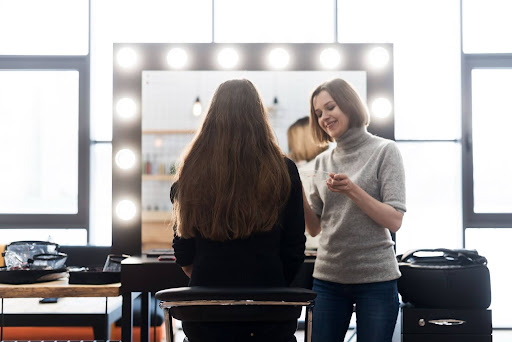
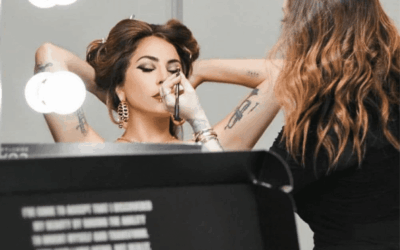
Contestants who performed well had clearly considered how their model’s skin texture, bone structure, eye shape, and overall facial balance would support the final concept. Several artists also completed trial sessions before the competition to understand how products reacted under strong lights and long working hours.
Judges observed that experienced competitors communicated calmly with their models throughout the round, which helped maintain composure on stage and reduced visible stress during application.
This level of preparation created cleaner final presentations and improved overall stage presence.
Professional Stage Conduct Left a Strong Impression
Although stage behaviour did not appear directly in every scoring sheet, it influenced how competitors were perceived throughout the event.
Artists who maintained organised workstations, handled tools efficiently, and stayed composed under pressure created a noticeably stronger professional impression. Their movements looked controlled, their stations remained clean, and they adapted quickly whenever small technical problems appeared during the round.
In contrast, contestants who appeared rushed or disorganised often struggled to recover once mistakes disrupted their workflow.
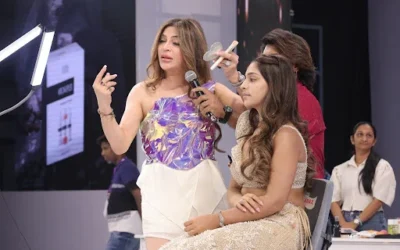
Several attendees and industry professionals noted that the calmness displayed by top competitors resembled the confidence often seen during live celebrity artist demonstrations and professional stage presentations at major beauty trade events.
Creative Risks Worked Best When Supported by Technique
This year’s competition also highlighted an important balance between creativity and technical execution.
Judges responded positively to artists who introduced unexpected colour placement, texture combinations, or conceptual details while still maintaining clean blending, symmetry, and finish quality. The strongest entries combined creative individuality with technical control rather than relying on shock value alone.
Contestants who focused heavily on dramatic concepts without maintaining structure or finish consistency struggled to score competitively against technically refined work.
Competitions Continue Raising Industry Standards
The event demonstrated how makeup competitions in India are becoming more structured, technically demanding, and professionally competitive.
Beyond trophies and rankings, these platforms now help artists gain visibility, connect with beauty brands, and strengthen their professional credibility within the salon and makeup industry.
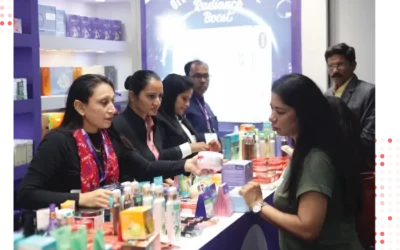
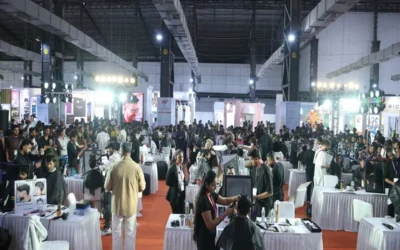
This year’s HBS India competition programme brought together artists across 16 categories alongside live demonstrations, professional showcases, and industry networking opportunities at Bombay Exhibition Centre, NESCO, Goregaon, Mumbai.
As competition standards continue rising, preparation, discipline, and technical consistency are becoming just as important as creativity on the modern makeup stage.
Frequently Asked Question
1. Do makeup competition judges care more about creativity or technique?
Both, but not equally in every category. Bridal categories lean heavily on technique, finish quality, and wearability. Fantasy and editorial categories give more room for creative risk. The smart move is to read the scoring criteria for your specific category before you start designing your look. Guessing what judges want is how people end up with beautiful work that scores poorly.
2. How much time do competitors usually get on stage?
It varies by category and event. Some rounds give you 30 minutes, others stretch to an hour. What catches people off guard is how fast that time disappears once you’re under the lights with a clock running. Competitors who’ve rehearsed and timed themselves at home handle this far better than those winging it for the first time.
3. Can watching celebrity hair artist demos actually help with makeup competitions?
More than you’d expect. The principles transfer. How a professional manages their station, communicates with a model, recovers from a mistake mid-performance, paces their work within a time limit. All of those habits are visible during live demos, and all of them apply directly to competition preparation regardless of whether you’re working with hair or makeup.
4. Does the model you choose really make that much difference?
It can make or break your score. A model whose bone structure flatters the look you’re building will photograph better, read better from a distance, and hold product more predictably. Winners spend real time on model selection and do at least one full rehearsal with their model before competition day. Treating model choice as an afterthought is one of the most common mistakes mid-level competitors make.
5. What’s the single biggest reason good artists lose at competitions?
Time. Not talent, not creativity. Time. They spend too long on one element, the clock runs out, and the look goes to the judges unfinished. An incomplete look almost never scores well, no matter how brilliant the parts that are done. Building in a five-minute buffer at the end for cleanup and symmetry checks is the simplest habit that separates placers from also-rans.