Recent cosmetic exhibitions made one thing very clear. The beauty industry is no longer centred only around products. Across exhibition floors, the biggest crowds gathered around live demonstrations, technology experiences, artist-led sessions, and interactive brand spaces rather than traditional product shelves alone.
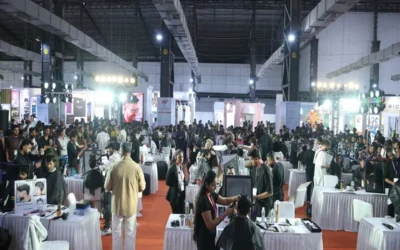
What once operated mainly as transactional industry events has now evolved into experience-driven environments where businesses, artists, salon professionals, and beauty entrepreneurs come together to observe trends, explore innovation, and understand where the industry is heading next. The shift was visible throughout, revealing how quickly beauty, technology, education, and consumer expectations are beginning to merge together.
The shift from product display to experience building
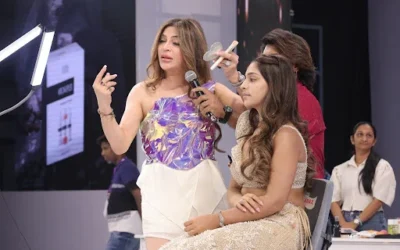
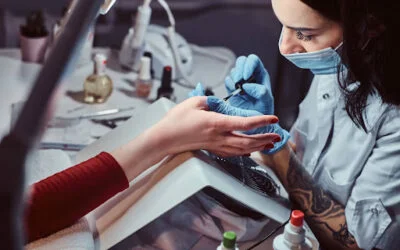
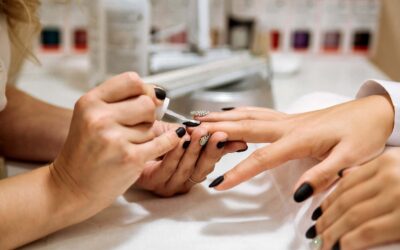
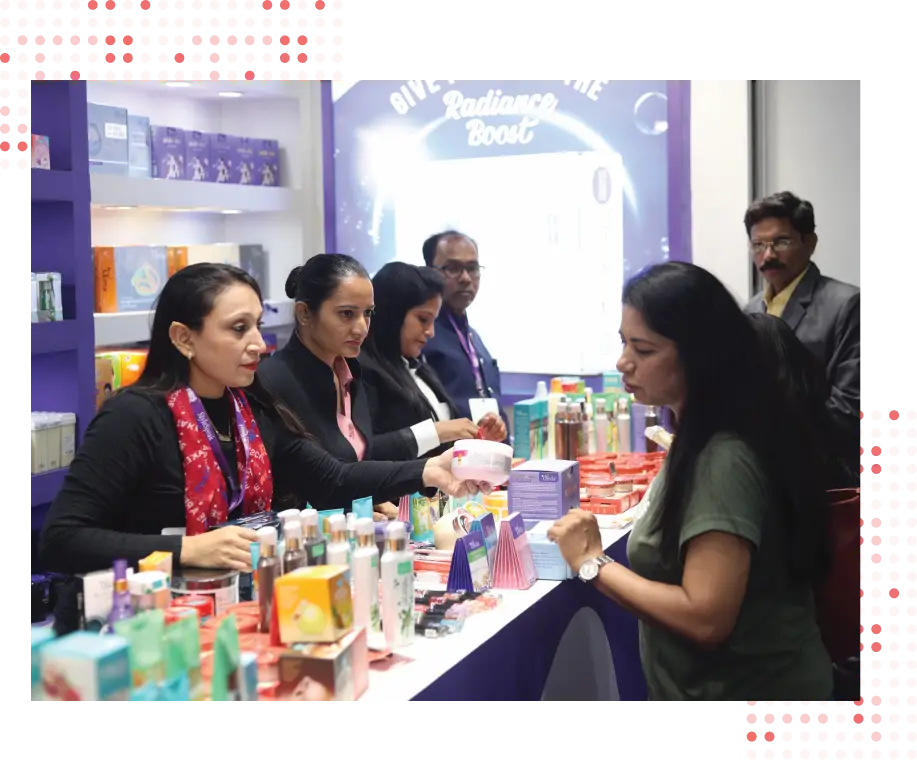
Earlier, cosmetic exhibitions functioned mainly as transactional spaces where brands displayed products, buyers visited stalls, discussions happened, and orders were placed. But modern cosmetic exhibitions have evolved far beyond that traditional structure. Today, brands are focusing more on creating immersive experiences instead of simply building visibility. Live demonstrations, interactive product testing, artist-led sessions, and hands-on engagement are now becoming central parts of exhibition culture because audiences want to experience products in action rather than only hear marketing claims.
You now see:
- Live product testing zones
- Stage demonstrations
- Artist-led sessions
- Interactive beauty technology
- Social media creation booths
- Real-time skin or hair analysis
This change is important because customers also changed. People do not want to only hear claims anymore. They want to experience results in front of them. And businesses are adapting around this behaviour. In the case of beauty brands, trust is becoming visual and immediate.
Professional education is becoming a major industry layer
One thing many businesses underestimate is how strongly education is influencing the beauty sector now.
At most cosmetic exhibitions, there is growing focus on:
- Technical workshops
- Product knowledge sessions
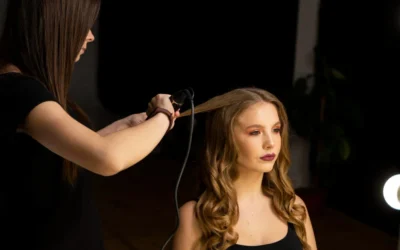
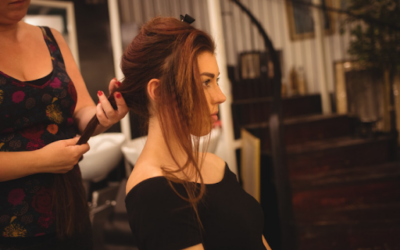
- Advanced hair demonstrations
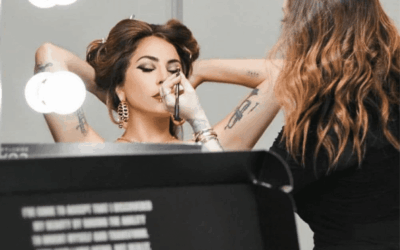
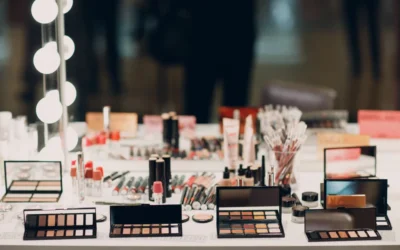
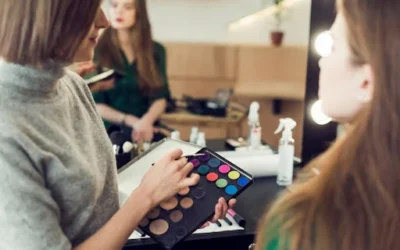
- Makeup masterclasses
- Business growth discussions for salons
This tells us something important.
The industry is becoming more skill-driven than before.
Salon owners are looking beyond basic services. Young professionals want certifications and exposure. Even distributors are becoming more selective about product understanding before partnerships happen.
And also, audiences entering the beauty business today are much more informed than previous generations. They compare trends globally. They learn techniques online. They expect faster innovation cycles.
Beauty and technology are merging quietly
A few years back, beauty and technology felt like separate conversations.
Not anymore.
Now, many cosmetic exhibitions feature:
- AI skin analysis tools
- Digital consultation systems
- Smart salon equipment
- Virtual makeover technology
- Data-driven product recommendations
Even when visitors are coming mainly for makeup or hair products, technology is becoming part of the discussion without people fully realising it.
Technology is helping professionals work faster and understand customer preferences better, but creativity still stays at the centre of the beauty business. Machines can suggest shades. They cannot replace aesthetic instinct.
And because of this balance, exhibitions are becoming spaces where both creativity and business intelligence meet together.
Independent professionals are influencing the market more
One major trend visible across exhibitions today is the rise of independent beauty professionals. Earlier, large brands controlled most of the industry visibility.
Now:
- Independent artists build strong digital audiences
- Small beauty labels are getting attention
- Regional salon chains are expanding faster
- Individual educators are creating influence
Sometimes a respected makeup educator or hairstylist creates more engagement at an event compared to traditional advertising campaigns. Audiences trust working professionals because they feel more relatable and practical.
There is also increasing interest in networking-based growth. People attend exhibitions not only to buy products but also to:
- Meet distributors
- Build salon partnerships
- Discover artists
- Explore collaborations
- Understand future trends
Consumer expectations are changing faster than brands expect
Another thing exhibitions reveal very clearly is how quickly customer expectations evolve.
Today’s beauty consumer is asking more questions:
- Is the product suitable for Indian skin conditions?
- Does the formulation feel lightweight?
- Is the packaging modern enough for social media?
- Can professionals easily demonstrate the results?
- Does the product fit into fast-paced lifestyles?
Why these exhibitions matter beyond visibility
Many businesses still see exhibitions mainly as promotional opportunities.
That thinking is incomplete.
Good exhibitions work like industry ecosystems. They reveal:
- What professionals are demanding
- What customers are noticing
- Which services are growing
- Which technologies are entering the market
- Where collaborations are happening
In many ways, cosmetic exhibitions are becoming one of the few places where the beauty industry gathers physically while the market itself keeps becoming more digital.
Platforms like HBS India continue bringing together beauty businesses, artists, educators, and professionals under one space where ideas, trends, and industry conversations keep moving forward together.
FAQs
1. What are cosmetic exhibitions?
Cosmetic exhibitions are industry events where beauty brands, salon businesses, artists, educators, and professionals come together to showcase products, explore trends, attend workshops, and build business connections within the beauty sector.
2. Why are cosmetic exhibitions becoming more experience-driven?
Modern audiences want interactive engagement instead of only product displays. Live demonstrations, beauty technology, workshops, and hands-on experiences help businesses create stronger trust and audience connection during exhibitions.
3. How do cosmetic exhibitions help beauty businesses?
These exhibitions help businesses:
- Discover market trends
- Build partnerships
- Explore new technologies
- Understand customer behaviour
- Increase industry visibility
- Connect with distributors and professionals
They also provide insights into where the beauty industry is moving next.
4. What role does technology play in cosmetic exhibitions today?
Technology is becoming a major part of beauty events through AI skin analysis, digital consultations, virtual makeover tools, smart salon equipment, and personalised product recommendations. It helps businesses improve customer experience and service efficiency.
5. Why are cosmetic exhibitions still important in a digital-first industry?
Even with digital growth, physical exhibitions create real-world interaction, live product experience, professional networking, and practical learning opportunities that online platforms cannot fully replace. They help businesses observe industry behaviour in real-time.