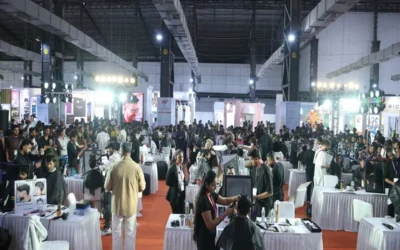
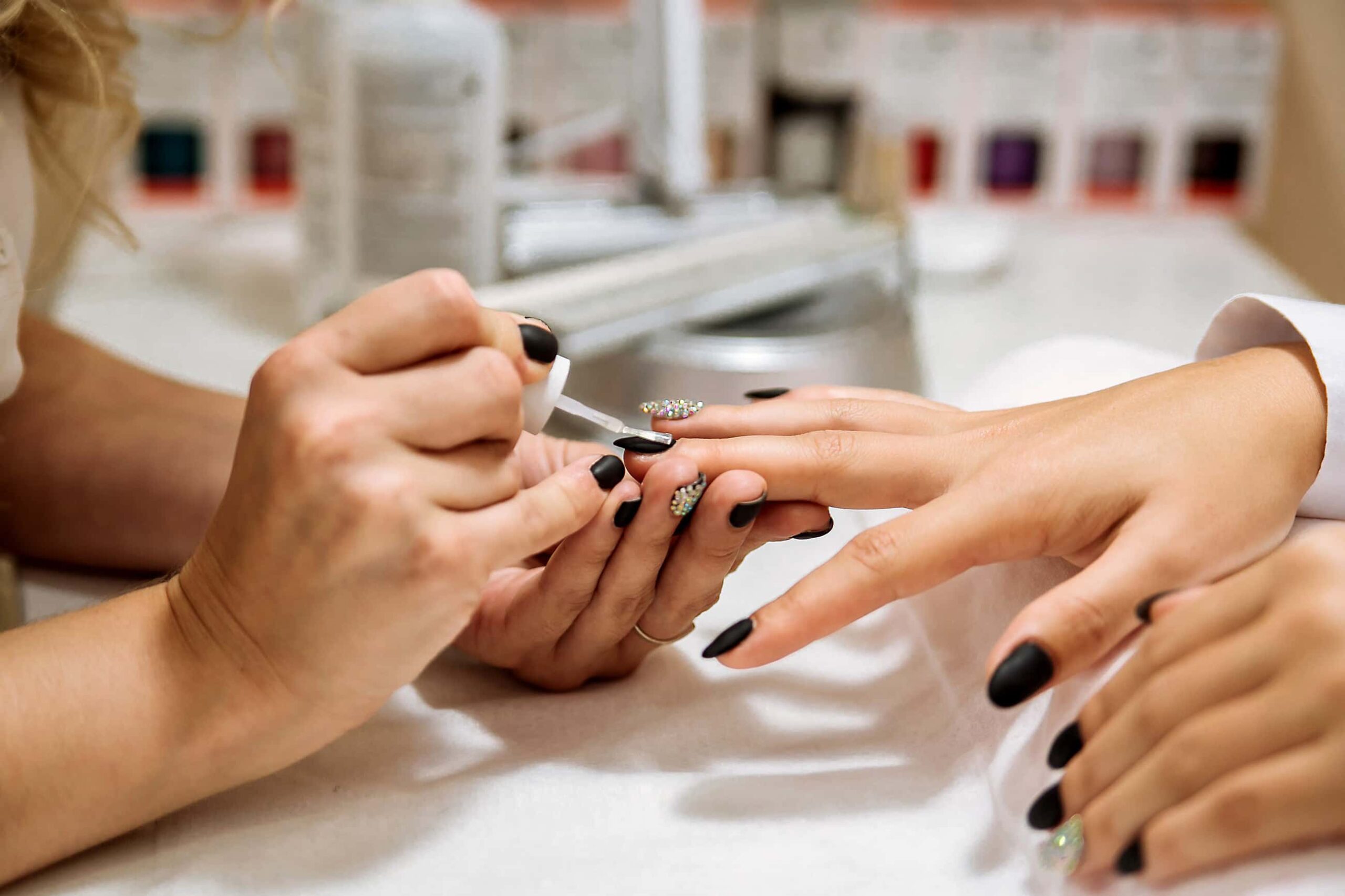
A few years ago, nail art competitions in India were often treated as secondary attractions at beauty expos. They drew limited participation, judging standards varied widely, and nail categories rarely received the same attention as hair or makeup competitions.
That situation has changed significantly as the Indian salon industry has evolved. Today, nail art competitions are becoming credible professional platforms that help technicians build visibility, demonstrate technical expertise, and create career opportunities within the beauty industry.
The Growth of Professional Nail Services
The growing importance of competitions is closely tied to the rapid expansion of professional nail services across India.
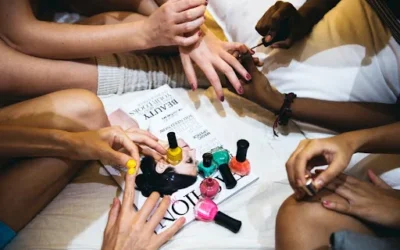
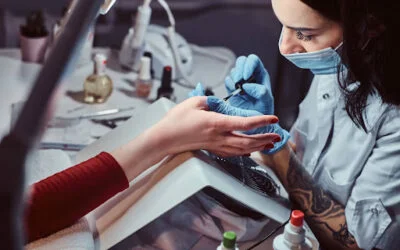
Consumers are now far more aware of advanced nail treatments such as gel extensions, acrylic sculpting, chrome finishes, dip powder systems, and Korean-inspired nail art trends. Social media platforms, celebrity beauty culture, and beauty influencers have accelerated demand for specialised nail services, particularly among younger urban consumers.
As a result, salons in cities like Mumbai, Bengaluru, Hyderabad, and Pune have invested heavily in dedicated nail stations, UV curing systems, e-file equipment, and trained nail technicians.
The financial side of the business has also shifted. While a basic manicure once generated limited revenue for salons, premium nail services now command significantly higher pricing depending on complexity, materials, and design work. With nails becoming an important revenue category, salon owners have started paying closer attention to technical quality and professional standards.
Competitions naturally became more valuable because they offered a visible benchmark for skill.
Competitions Are Becoming More Structured
Earlier nail competitions often lacked consistency in both format and judging criteria. Contestants created designs within broad themes, but scoring systems were not always transparent or technically detailed.
Modern competitions are far more specialised. Events now feature separate categories for gel extensions, acrylic sculpting, bridal nail design, fantasy nail art, and freehand detailing. Contestants are typically given structured scoring guidelines in advance, and time limits are enforced more professionally.
This shift has raised the overall standard of participation. Serious contestants now prepare specifically for competition rounds, practise under timed conditions, and refine both technique and presentation before entering.
As the structure improved, competitions also became more respected within the salon industry itself.
Better Judging Improved Credibility
One of the biggest criticisms of earlier nail competitions involved judging quality.
In many cases, competitions relied on beauty professionals from hair or makeup backgrounds who did not necessarily specialise in nail technology. While experienced beauty professionals could assess creativity and presentation, they were not always equipped to evaluate technical details such as apex structure, cuticle precision, product consistency, or C-curve balance.
Over time, organisers began involving professional nail educators, salon owners specialising in nail services, international trainers, and experienced nail artists with competition backgrounds.
That change improved trust in competition results. Winning a title judged by recognised nail specialists now carries genuine professional credibility within the industry.
Competitions Are Creating Career Visibility
Nail technicians have historically received less industry visibility compared to hairstylists and makeup artists.
A hairstylist’s work is often showcased publicly through weddings, editorial shoots, or salon campaigns. Nail artists, despite producing highly detailed work, have traditionally had fewer opportunities for long-term visibility.
Competitions are helping change that dynamic. Winning or placing in a recognised nail competition can lead to industry exposure through trade publications, salon recruitment opportunities, educator partnerships, and brand collaborations. Some technicians have also used competition recognition to negotiate better professional opportunities or launch independent nail studios.
The technical skill may already exist before entering a competition, but competitions help make that skill visible to a larger professional audience.
Beauty Brands Are Paying Attention
Beauty product companies are also taking nail competitions more seriously than before.
Earlier, sponsorships were largely limited to logo placements and sample product distribution. Today, competitions function as live demonstrations of products under professional working conditions.
When technicians perform well using a particular gel system, extension product, or nail brand, other professionals within the salon industry notice. This creates strong word-of-mouth credibility among technicians and salon owners.
Several international nail brands entering India now actively support competitions and educator partnerships as part of their expansion strategy.
The Industry Still Faces Challenges
Despite the progress, several challenges remain. Most large-scale nail competitions are still concentrated in metro cities, creating cost and travel barriers for technicians from smaller regions. The judging pool also remains relatively limited, with the same experts frequently appearing across multiple events.
At the same time, there is still a noticeable gap between beginner-level training and advanced competition standards, highlighting the need for broader access to specialised nail education across India.
Even so, the direction of the industry is becoming increasingly clear. Nail services are evolving from a niche salon category into a specialised professional segment, and competitions are playing an important role in accelerating that transition.
FAQs
1. Why did nail competitions in India used to have a credibility problem?
Mostly because of judging. In earlier editions of beauty competitions, nail categories were judged by hair or makeup professionals who didn’t have deep expertise in nail-specific technical criteria. When a judge can’t tell the difference between a well-built apex and a flat one, the results feel random to contestants who know the difference. That’s changed at the better-run events where judges now have nail-specific credentials and experience.
2. What categories do nail competitions typically cover at Indian beauty events?
It varies by event, but serious competitions split nails into multiple categories rather than lumping everything together. You’ll commonly see separate rounds for gel extensions, acrylic sculpting, freehand nail art, bridal nail design, and fantasy or avant-garde creations. Each has its own time limit and scoring criteria. The separation matters because the skills involved are genuinely different. A great gel technician and a great nail artist aren’t necessarily the same person.
3. Can competition results actually help a nail technician’s career in India?
They can, and increasingly do. Winners and top placers get trade publication coverage, visibility with salon chains looking to hire, and credibility with product brands scouting for educators. Some technicians have used competition placements to negotiate better roles or launch their own studios. The credential carries weight specifically because the better competitions are judged on skill rather than brand affiliation.
4. I’m a nail technician in a smaller city. Is it realistic to compete at a national event?
Realistic, yes. Easy, no. The travel and accommodation costs are real, and you’ll be competing against technicians from metros who may have had more access to advanced training. But several past winners at national competitions have come from smaller cities. If your technique is strong, the stage doesn’t care where you’re from. The judges are scoring the work on the model’s hands, not your postcode.
5. How should a nail technician prepare for their first competition?
Start by getting the scoring criteria and category rules, which serious events published in advance. Design your competition to look around those criteria, not around what you think looks impressive. Rehearse the full look at least three or four times under timed conditions. Do a dress rehearsal with your actual competition model so you know how their nails hold product. And build in a five-minute buffer at the end for cleanup and final checks, because unfinished work almost never scores well regardless of how good the parts you completed look.